

MAJOR DEVELOPMENTS IN THE HISTORY OF SURGERY
People | discoveries | innovations | better lives
As a surgeon in daily practice, I am often reminded of the responsibility we carry. Patients, their families and friends place their hopes, expectations and, at times, their lives in our hands.
Yet much of what we rely on every day is easily taken for granted. Modern surgery rests on the work of generations of scientists, physicians, surgeons, nurses, engineers, researchers and countless support personnel. Every safe anaesthetic, sterile instrument, blood transfusion, scan, antibiotic and surgical technique has a history behind it.
It is worthwhile, occasionally, to look back at that history — not only to appreciate how far surgery has come, but also to recognise the extraordinary collective effort that has made what we do today possible.
PEOPLE | IDEAS | INNOVATIONS | BETTER LIVES
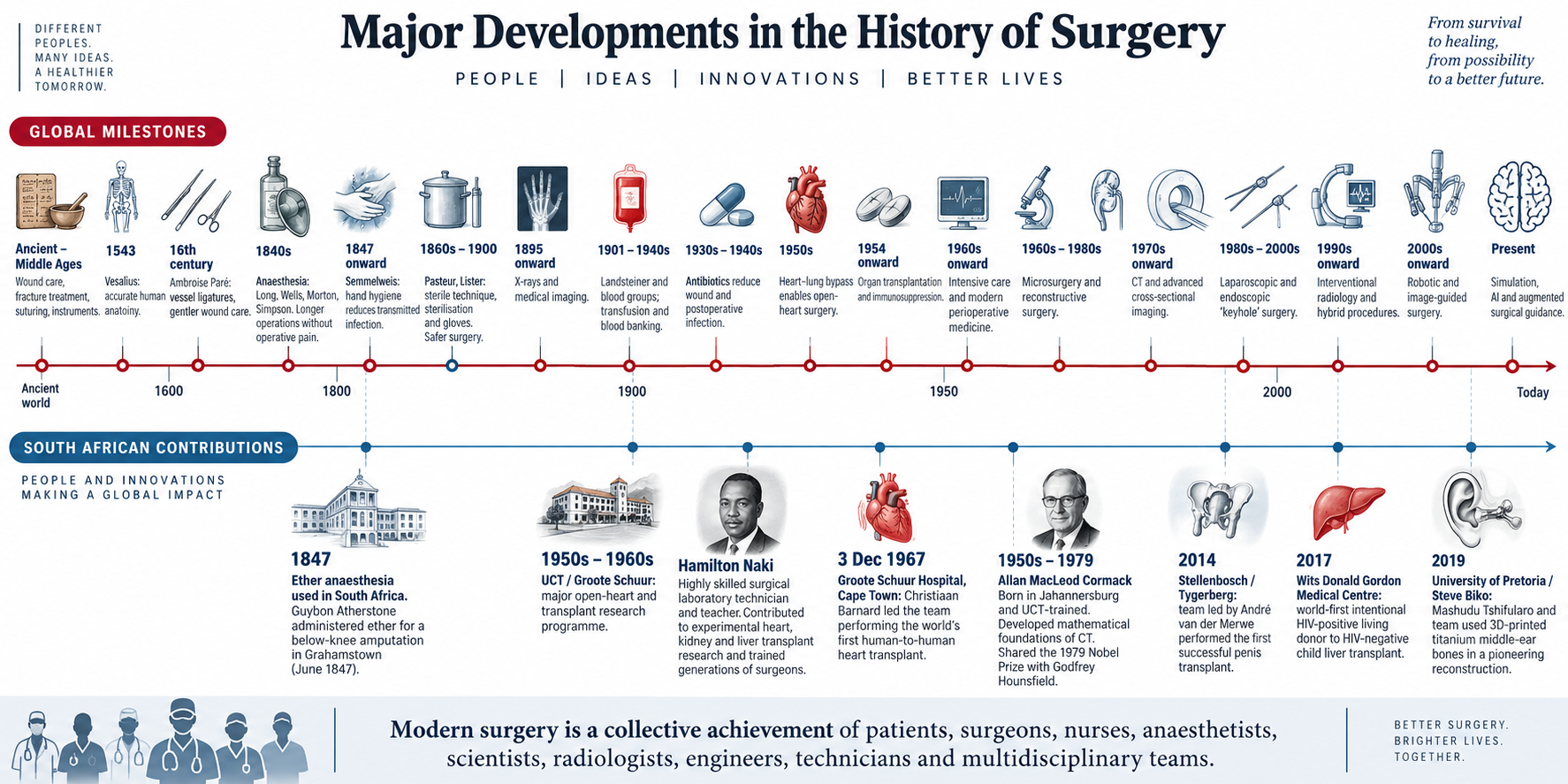
Searches milestone years and headings across both Global and South African milestones.
Global Milestones (15 selected developments)
From ancient practices to robotic surgery — the innovations that shaped modern medicine.
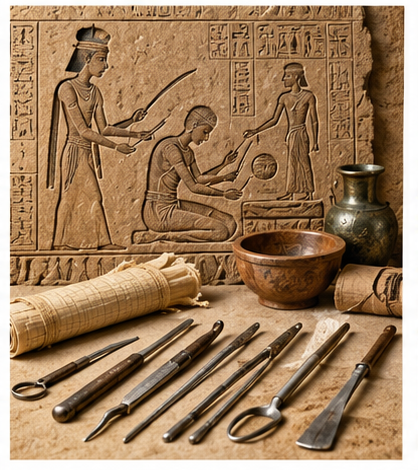
Early surgical practice
Imhotep; Sushruta; Hippocratic/Greco-Roman practitioners; Al-Zahrawi
Wound care, fracture treatment, suturing, cautery and purpose-made instruments were described and refined across several medical traditions.
Created systematic approaches to wounds, fractures and reconstruction; many instrument concepts remain recognisable.
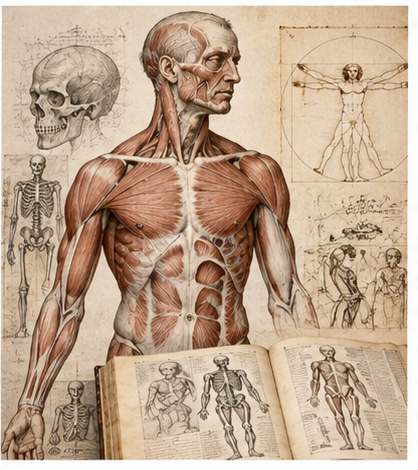
Scientific human anatomy
Andreas Vesalius and Renaissance anatomists
Direct study of human bodies corrected many inherited anatomical errors and produced more reliable descriptions of organs and structures.
Gave surgeons a much more accurate map of the human body and improved operative planning.
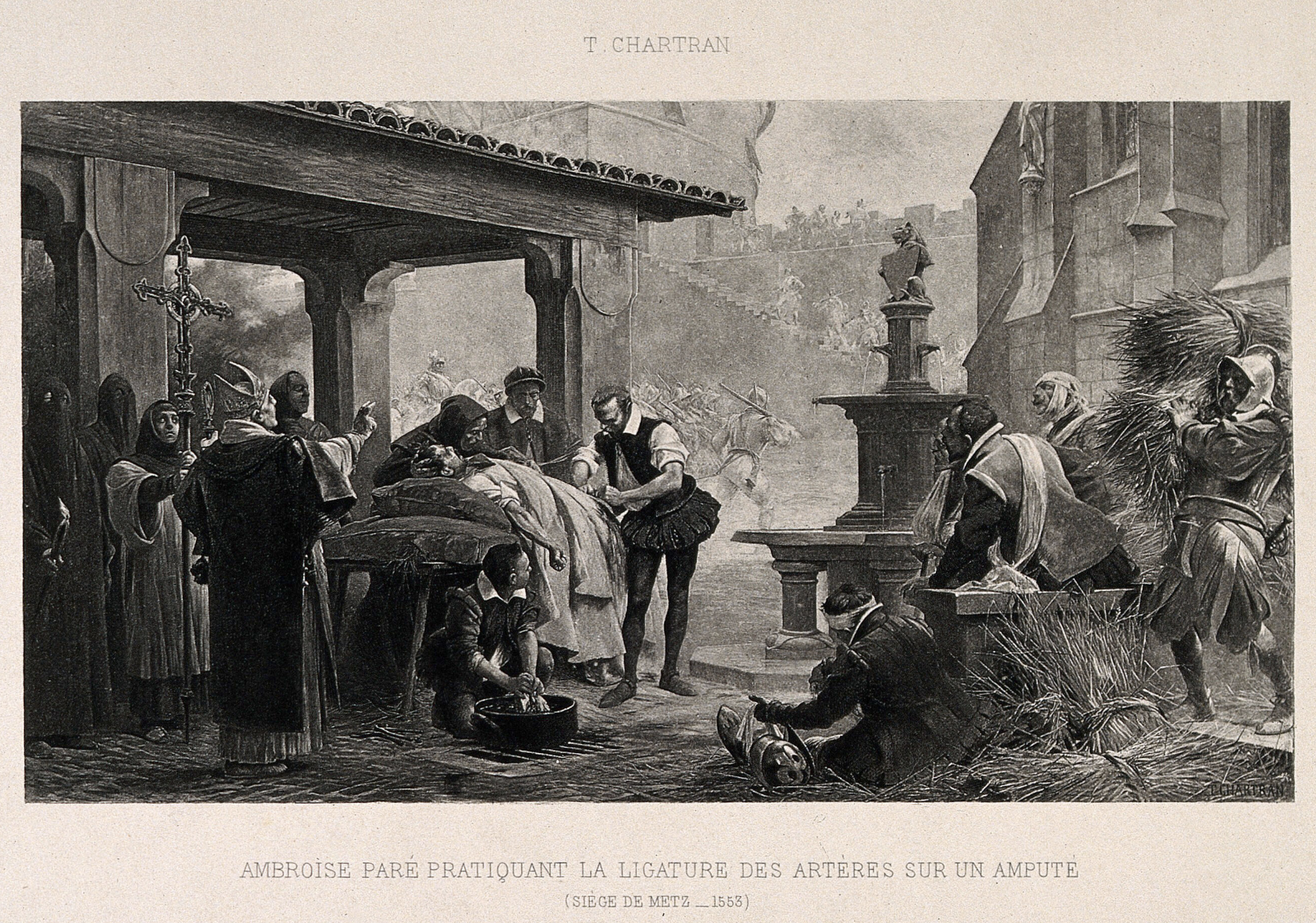
Better control of bleeding
Ambroise Paré
Paré promoted tying bleeding vessels after amputation instead of routinely burning them, and advocated gentler wound care.
Reduced suffering and helped move surgery toward observation and practical evidence.
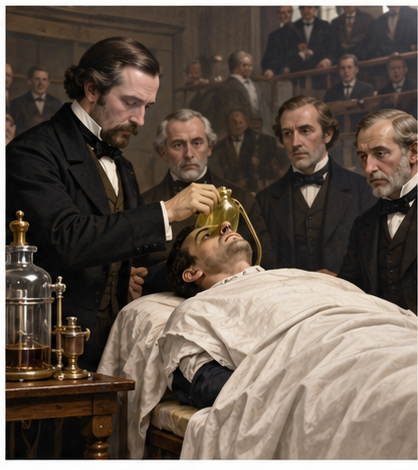
Surgical anaesthesia
Crawford Long; Horace Wells; William T. G. Morton; James Young Simpson
Ether, nitrous oxide and chloroform made it possible to prevent severe pain during operations. Morton's 1846 public ether demonstration accelerated adoption.
Allowed surgeons to work more slowly and deliberately and made major internal operations feasible.
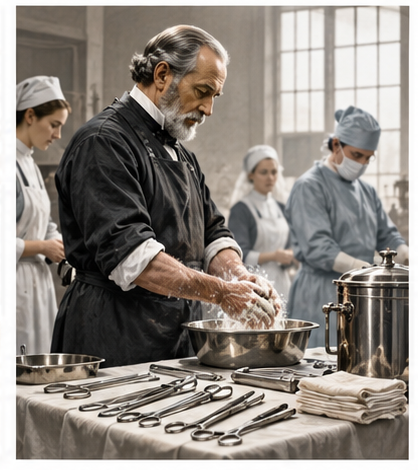
Hand hygiene, antisepsis and sterile surgery
Ignaz Semmelweis; Louis Pasteur; Joseph Lister; Ernst von Bergmann; operating-room teams
Hand cleaning, germ theory, antiseptic wound treatment, heat sterilisation and increasingly sterile operating practice developed in stages.
Postoperative infection fell dramatically, allowing safer surgery inside the chest, abdomen and other body cavities.
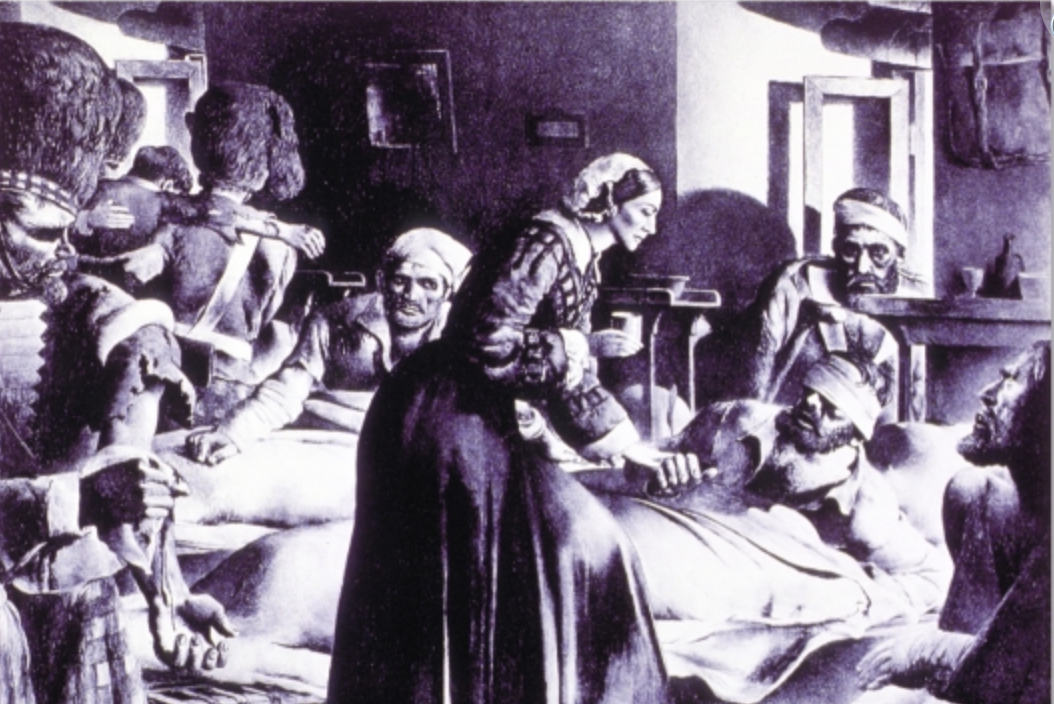
Modern nursing and organised perioperative care
Florence Nightingale; professional nurses; hospital reformers
Trained nursing, sanitation, observation and record-keeping became integral to hospital care.
Reduced preventable complications and created the coordinated care needed before and after major surgery.
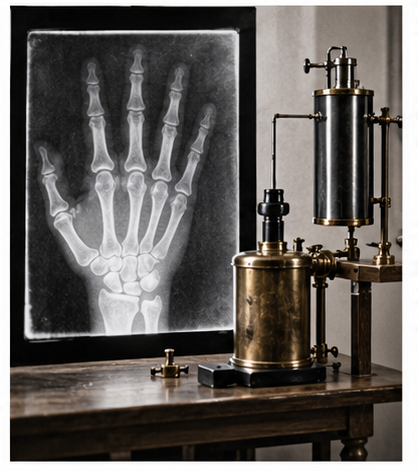
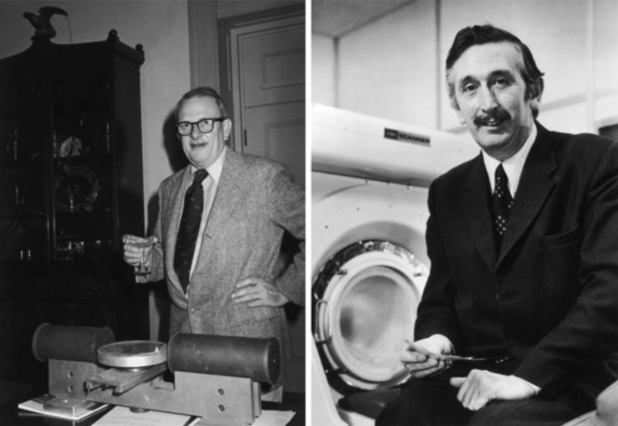
Medical imaging
Wilhelm Conrad Röntgen; radiologists; physicists; engineers
X-rays allowed doctors to see bones and foreign bodies without an operation. Ultrasound, CT, MRI and intraoperative imaging followed.
Improved diagnosis, planning and navigation while reducing unnecessary exploratory surgery.
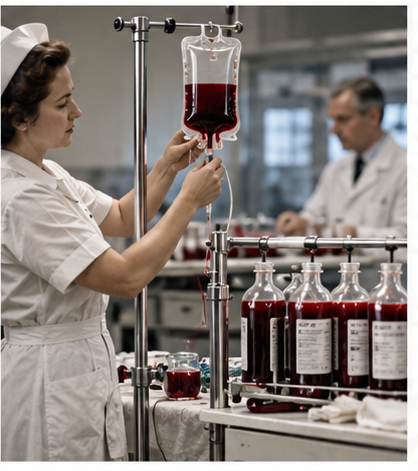
Blood typing, transfusion and blood banking
Karl Landsteiner; Richard Lewisohn; Oswald Robertson; Charles Drew; transfusion teams
Blood groups were identified and methods for anticoagulation, storage and organised blood banking were developed.
Made replacement of major blood loss reliable enough for trauma and increasingly complex operations.
Antibiotics
Gerhard Domagk; Alexander Fleming; Howard Florey; Ernst Chain; clinical teams
Sulfonamides and then penicillin transformed treatment of bacterial wound and postoperative infections.
Reduced infection-related deaths and widened the range of operations that patients could survive.

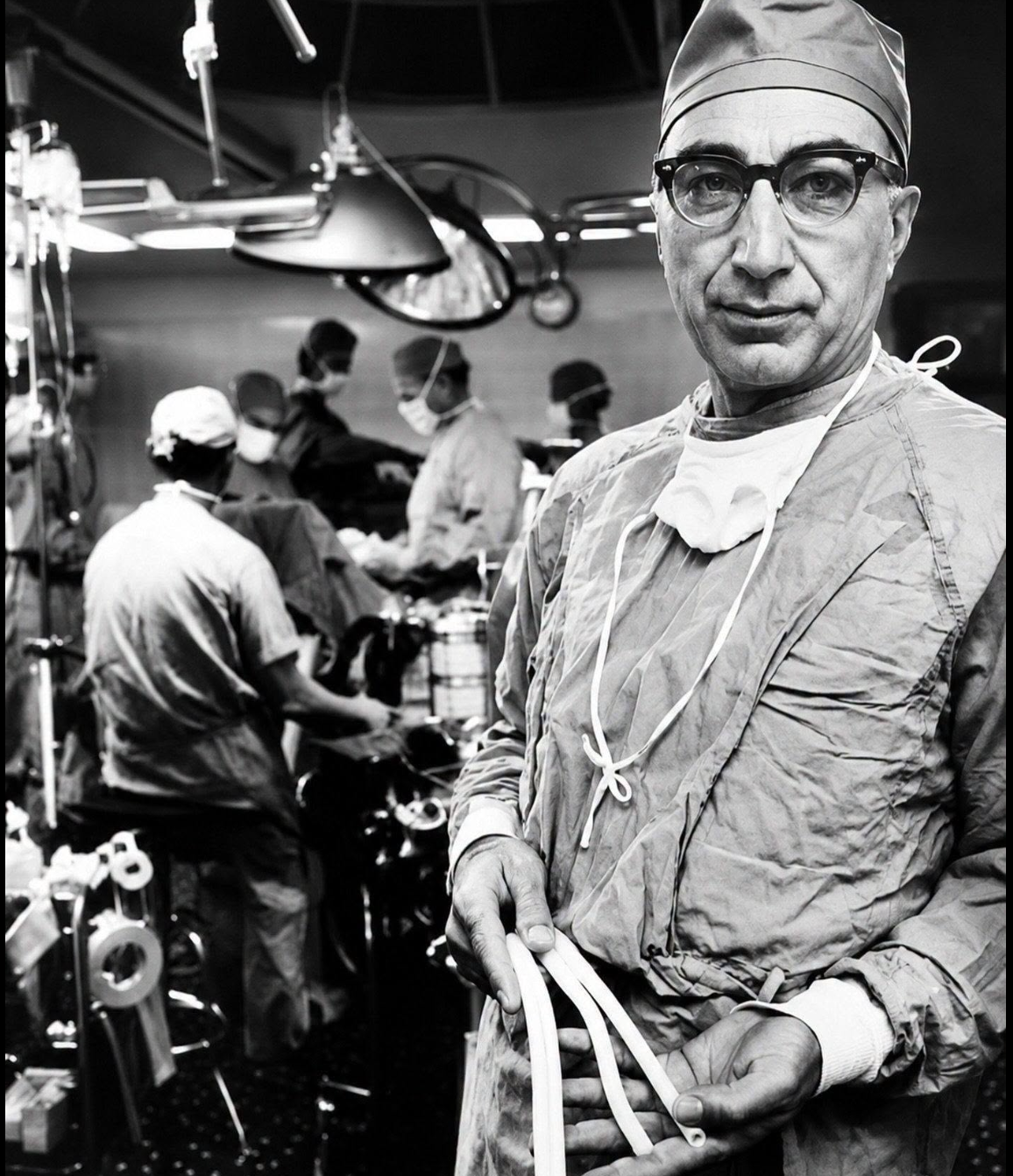
Vascular surgery
Alexis Carrel; René Leriche; Michael DeBakey and others
Surgeons developed dependable methods to join, replace and bypass blood vessels.
Enabled limb salvage, aneurysm repair, organ transplantation and much of modern heart surgery.
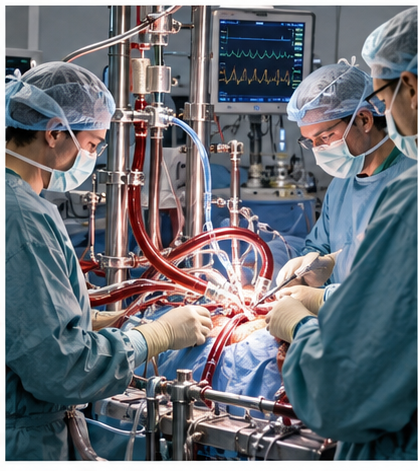
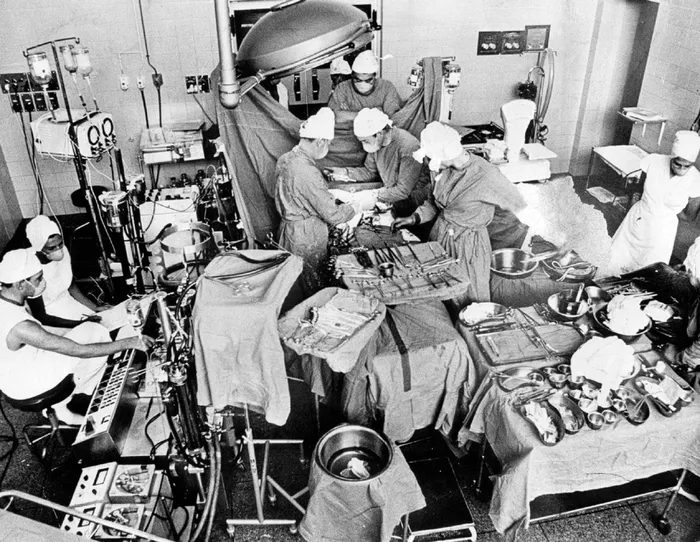
Open-heart surgery
John Gibbon; C. Walton Lillehei; cardiac teams; perfusionists; engineers
The heart–lung machine could temporarily take over circulation and oxygenation while surgeons worked inside the heart.
Made repair of complex heart defects and later valve and coronary operations possible.
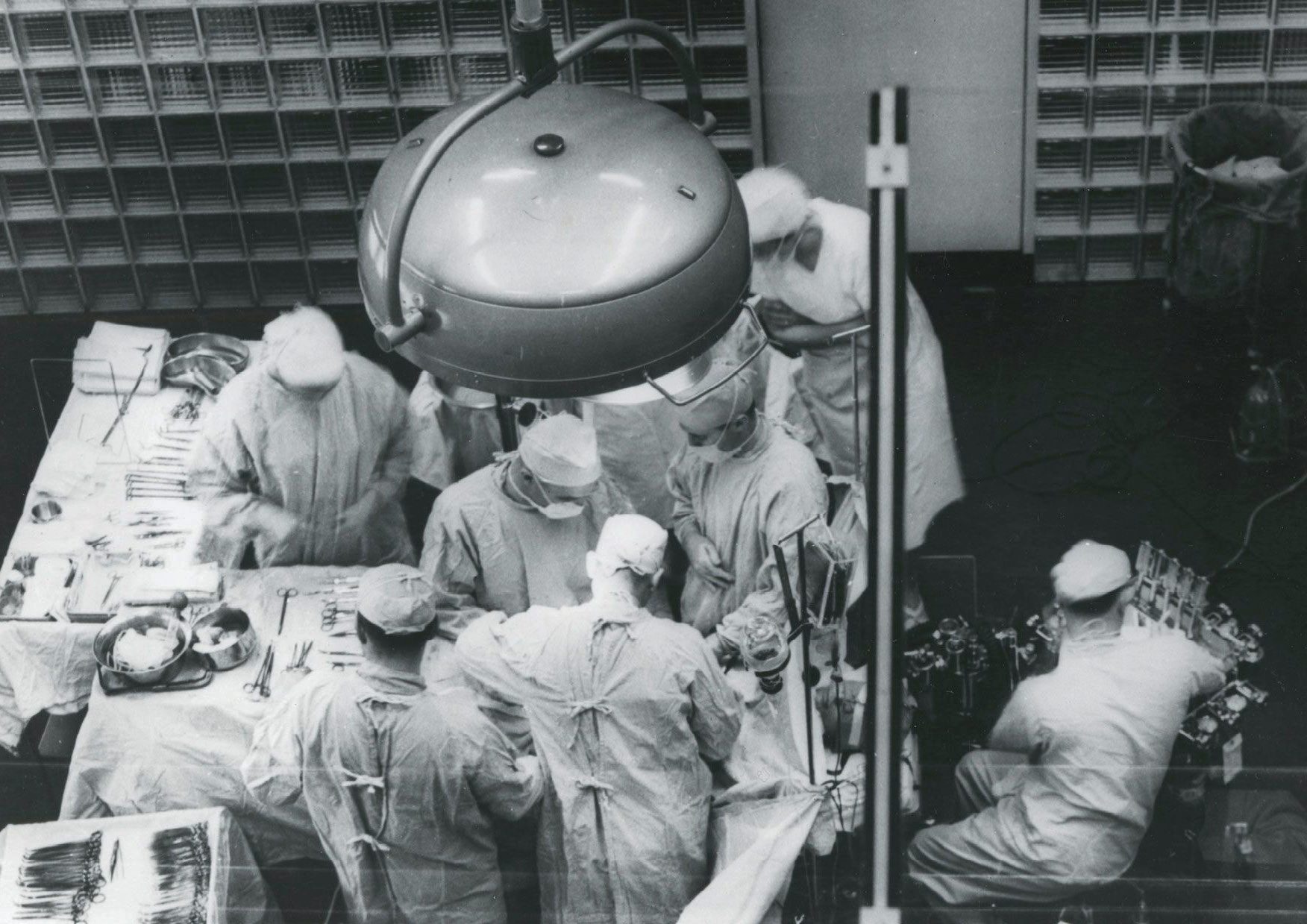
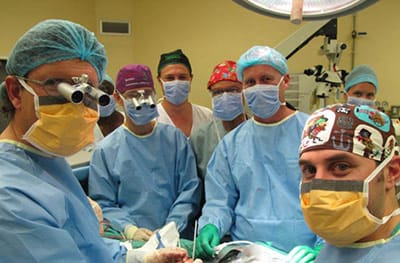
Organ transplantation
Joseph Murray; Peter Medawar; Thomas Starzl; Roy Calne; transplant teams
Kidney transplantation was followed by liver, heart and other organ transplantation as immune-suppressing treatment and organ preservation improved.
Changed some forms of end-stage organ failure from inevitably fatal disease into treatable conditions.
Microsurgery and reconstruction
Julius Jacobson; Harry Buncke; Chen Zhongwei; reconstructive teams
Operating microscopes and very fine sutures allowed surgeons to reconnect tiny blood vessels and nerves.
Enabled replantation of severed parts, free-tissue transfer and more sophisticated reconstruction after trauma and cancer.
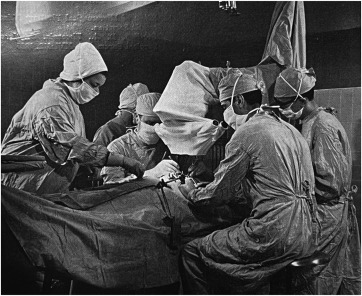
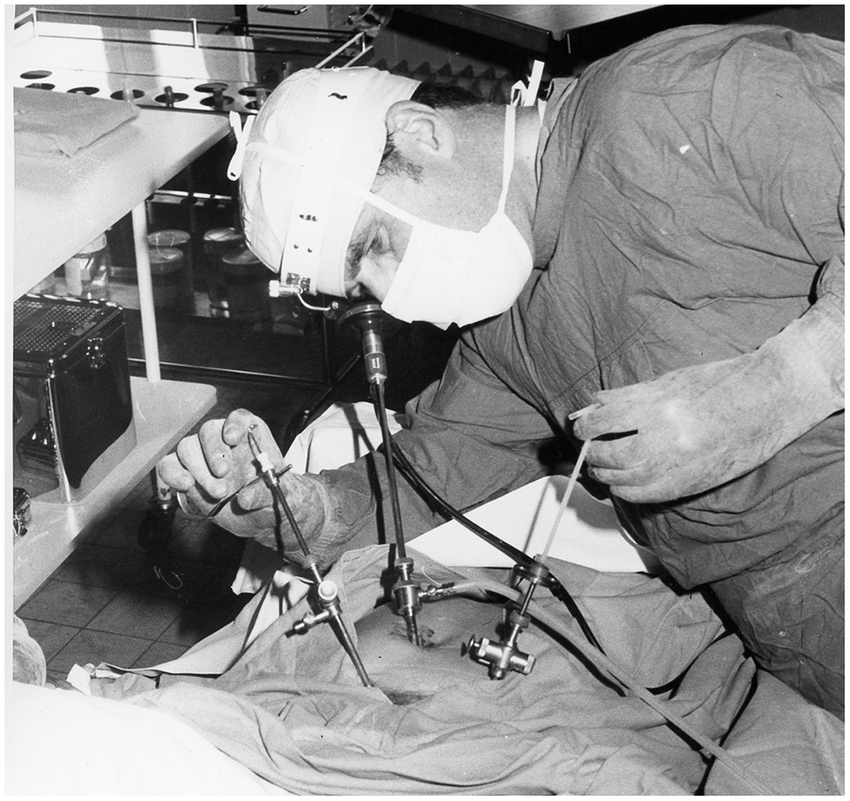
Minimally invasive and endoscopic surgery
Kurt Semm; Erich Mühe; Philippe Mouret; multidisciplinary teams
Cameras and long instruments allowed many operations to be performed through small openings rather than large incisions.
Often reduced pain and hospital stay and sped recovery, while creating new training and safety requirements.
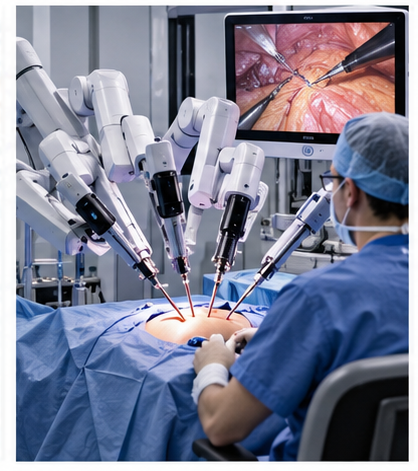
Robotic, image-guided and data-assisted surgery
Surgical teams; radiologists; engineers; computer scientists
Robotic systems, 3-D imaging, navigation, simulation and AI-based tools are increasingly integrated into selected procedures.
Can improve visualisation, access and precision in selected settings; evidence, cost, access and accountability remain important.

Contact
(012) 644 1327, or use any of the provided links on our website or facebook page to book or send us an e-mail at unitas@generalsurgery.co.za.
We are dedicated to helping you. Please note that this information is not exclusive
To keep up to date or rate us, please like our social media pages:
https://www.facebook.com/drcjeske
https://www.instagram.com/drchristianjeske/
Image: Supplied